How to become a Pilates instructor: A beginner's guide
Becoming a Pilates instructor is a great career path if you enjoy fitness, movement, helping people, and learning about the human body. The good news is that you don't need to be an athlete, professional dancer, or experienced fitness trainer to get started.
You can begin with no teaching experience and gradually work toward becoming a certified instructor.
Here's a step-by-step guide, especially if you're starting from zero.
1. Understand the two main types of Pilates
Before choosing a training program, understand the difference.

Mat Pilates
* Exercises performed on a mat.
* Uses body weight and sometimes small equipment.
* Usually the most affordable way to start teaching.
* Great for beginners who want to learn foundational movement.

Reformer Pilates
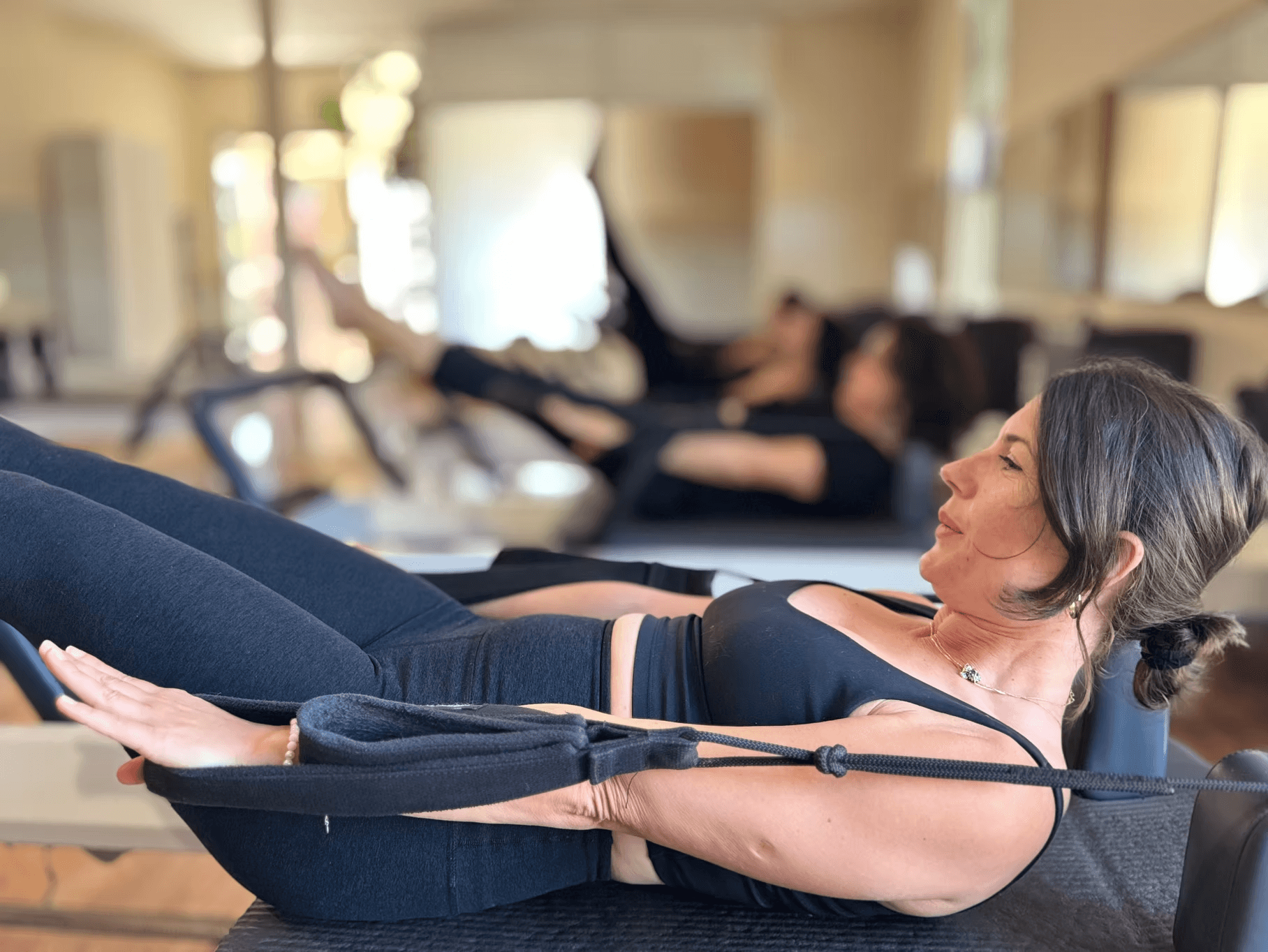
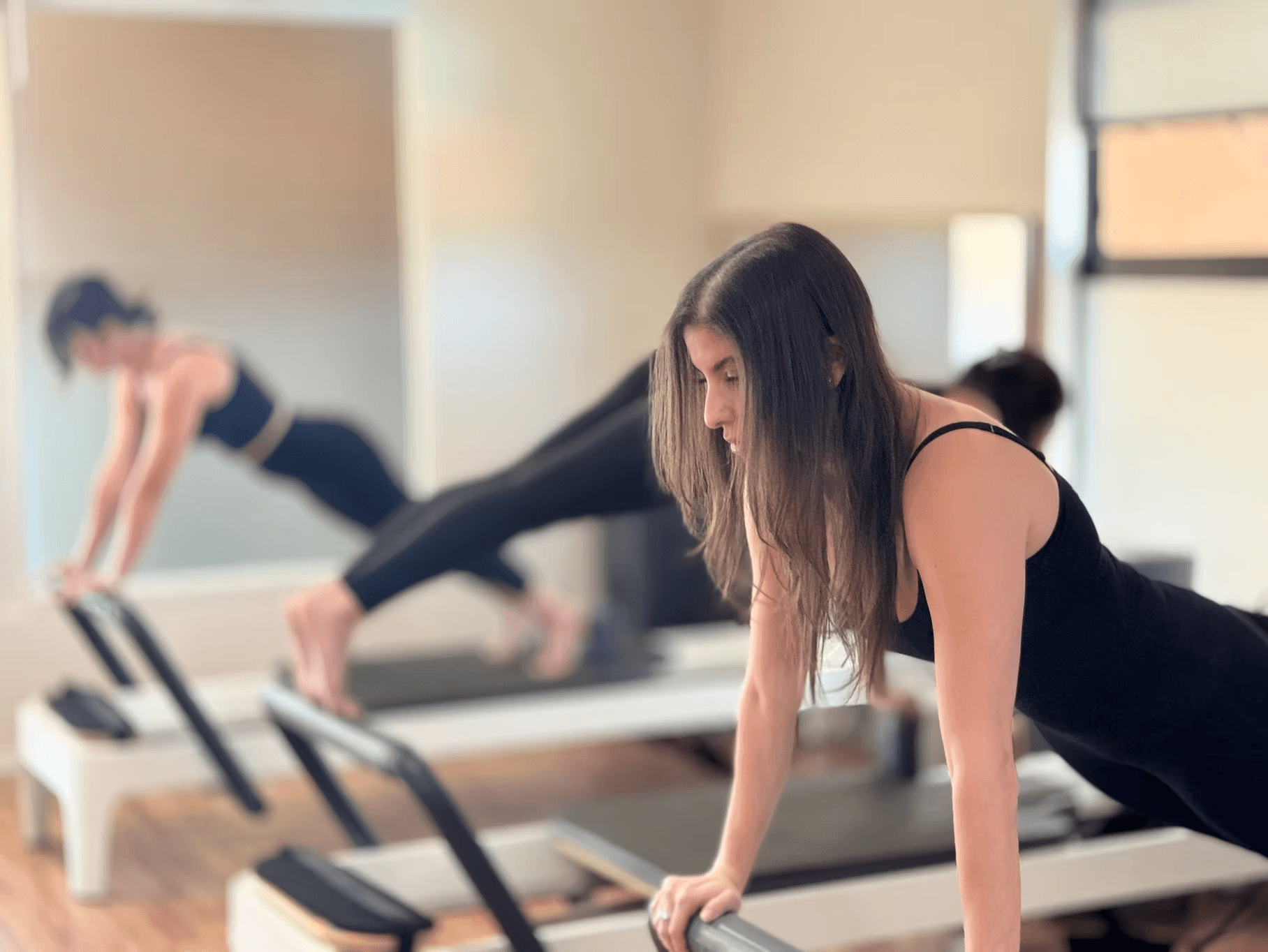
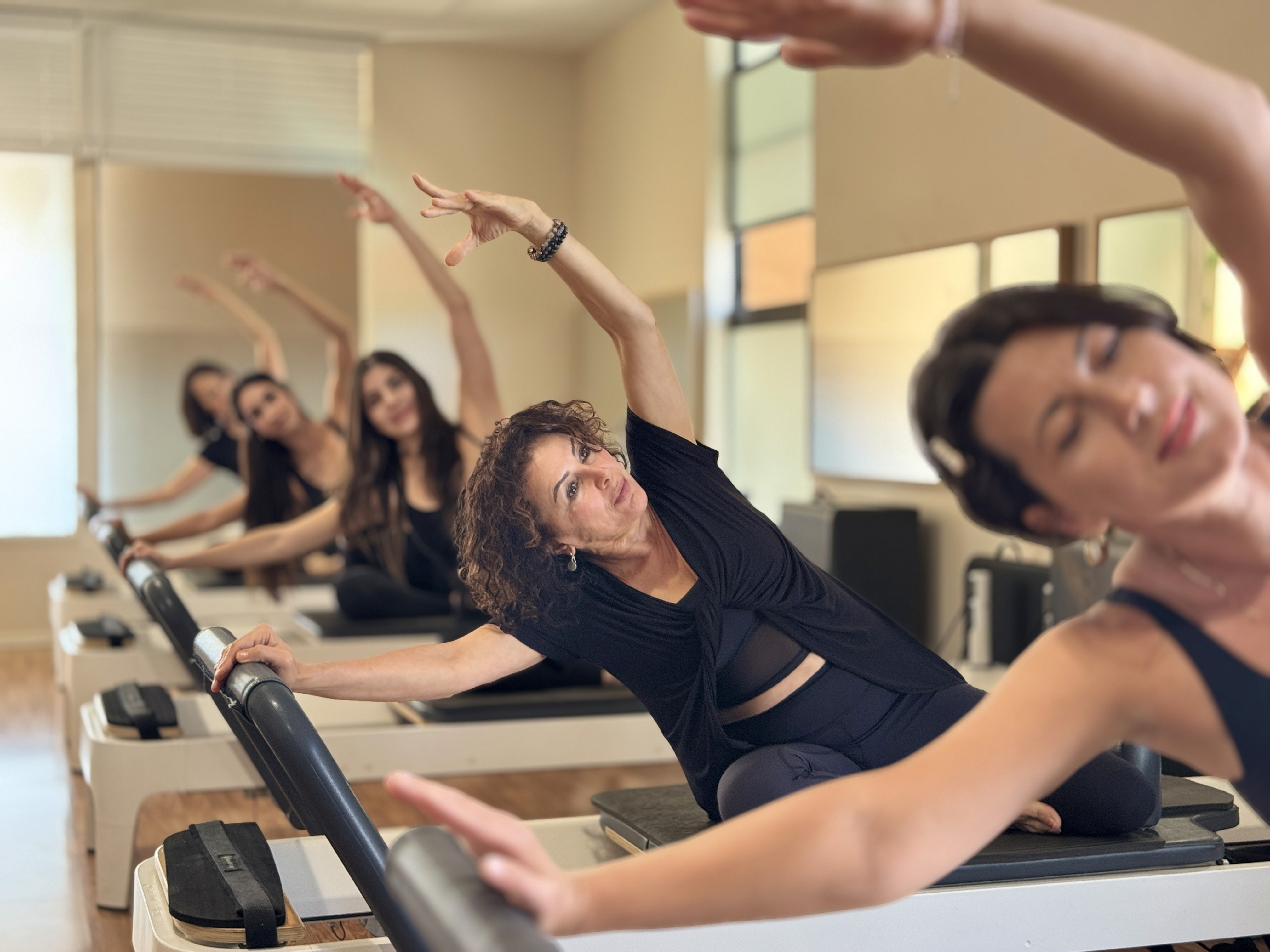
* Uses a specialized machine with springs, straps and a moving carriage.
* Requires additional equipment knowledge and hands-on training.
* Popular in boutique Pilates studios.
* Often offers more employment opportunities in specialized studios.
2. Start practicing Pilates yourself
Before teaching others, become comfortable with the exercises.

I recommend practicing for around 2–3 months before beginning your instructor training, although this isn't a universal requirement.
Focus on learning:
* Pilates breathing techniques.
* Neutral spine and pelvic positioning.
* Core engagement.
* Proper alignment and posture.
* Basic Pilates movements.
* How to modify exercises for different abilities.
Try taking beginner classes with different instructors. Pay attention to how they explain movements, demonstrate exercises, and correct form.
3. Choose a Pilates instructor certification
This is one of the most important steps.


Look for a reputable training program that includes anatomy, exercise technique, teaching practice, observation, and supervised instruction.
About Ora Pilates:
The Ora Pilates Teacher Training Certification Program is a comprehensive course designed to prepare you to confidently teach Pilates in a variety of settings. Through a blend of theory and hands-on practice, you’ll learn how to lead engaging group classes for all fitness levels, from beginners to advanced clients. The program emphasizes how to assess each client’s posture, movement patterns, and individual needs, allowing you to create safe and effective sessions. A strong focus is placed on clear, effective cueing—helping you communicate exercises with precision, improve client form, and enhance overall body awareness. By the end of the program, you’ll have the knowledge and confidence to deliver professional, personalized Pilates instruction in any setting.
How to become a Pilates instructor: A beginner's guide
Becoming a Pilates instructor is a great career path if you enjoy fitness, movement, helping people, and learning about the human body. The good news is that you don't need to be an athlete, professional dancer, or experienced fitness trainer to get started.
You can begin with no teaching experience and gradually work toward becoming a certified instructor.
Here's a step-by-step guide, especially if you're starting from zero.
1. Understand the two main types of Pilates
Before choosing a training program, understand the difference.
Mat Pilates
* Exercises performed on a mat.
* Uses body weight and sometimes small equipment.
* Usually the most affordable way to start teaching.
* Great for beginners who want to learn foundational movement.
Reformer Pilates
* Uses a specialized machine with springs, straps and a moving carriage.
* Requires additional equipment knowledge and hands-on training.
* Popular in boutique Pilates studios.
* Often offers more employment opportunities in specialized studios.
2. Start practicing Pilates yourself
Before teaching others, become comfortable with the exercises.
I recommend practicing for around 2–3 months before beginning your instructor training, although this isn't a universal requirement.
Focus on learning:
* Pilates breathing techniques.
* Neutral spine and pelvic positioning.
* Core engagement.
* Proper alignment and posture.
* Basic Pilates movements.
* How to modify exercises for different abilities.
Try taking beginner classes with different instructors. Pay attention to how they explain movements, demonstrate exercises, and correct form.
3. Choose a Pilates instructor certification
This is one of the most important steps.
Look for a reputable training program that includes anatomy, exercise technique, teaching practice, observation, and supervised instruction.
About Ora Pilates:
The Ora Pilates Teacher Training Certification Program is a comprehensive course designed to prepare you to confidently teach Pilates in a variety of settings. Through a blend of theory and hands-on practice, you’ll learn how to lead engaging group classes for all fitness levels, from beginners to advanced clients. The program emphasizes how to assess each client’s posture, movement patterns, and individual needs, allowing you to create safe and effective sessions. A strong focus is placed on clear, effective cueing—helping you communicate exercises with precision, improve client form, and enhance overall body awareness. By the end of the program, you’ll have the knowledge and confidence to deliver professional, personalized Pilates instruction in any setting.
New Client Special
Try your first class for just $20 — or grab 8 classes for $80. New clients only. Classes expire in 1 month. Book now at orapilates.com.
New Client Special
Try your first class for just $20 — or grab 8 classes for $80. New clients only. Classes expire in 1 month. Book now at orapilates.com.
New Client Special
Try your first class for just $20 — or grab 8 classes for $80. New clients only. Classes expire in 1 month. Book now at orapilates.com.